


FROM GLOBAL COMMITMENTS TO LOCAL ACTION
A YEAR FULL OF INTERNATIONAL AGREEMENTS
The conversation around sustainable cities has focused on three major themes in recent years: population density in urban areas, the role of the cities in climate change and injuries and fatalities caused by traffic crashes.
In 2015, the 21st United Nations Climate Change Conference (COP21) in Paris set landmark goals for taking action on climate change, aiming to keep the temperature rise to well below 2 degrees C and to pursue efforts limiting the temperature increase to 1.5 degrees C. Countries will aim to peak global emissions as soon as possible and have agreed to reduce emissions rapidly to reach net-zero greenhouse gas (GHG) emissions in the second half of the century. 196 countries joined in together on the Paris Agreement, which will be officially signed on April 22, 2016. To achieve this, we need to change the way we build, manage and live in our cities.
Global Status Report on Road Safety 2015 suggests that despite the increase in population and in the number of motor vehicles, traffic crash fatalities have not risen. However, the expected positive change is happening rather slowly. In November 2015, delegates from a hundred countries met in Brazil and discussed the possible solutions to cut the fatalities in traffic in half by 2020. The declaration links to greater issues of development, including sustainability, resilience, urban growth management and social equity.” This sets the stage for appropriate consideration of road deaths and injuries within the United Nations Sustainable Development Goals and the future New Urban Agenda within the United Nations Conference on Sustainable Urban Development and Housing (Habitat III).
At Livable Cities Symposium 2015, we discussed how we can create energy efficient, smart cities in Turkey and around the world. At Livable Cities Symposium 2016, we will discuss how we are can implement the global commitments of 2015 in Turkey in beyond.
EVENT PROGRAM
***WRI Turkey Sustainable Cities reserves the right to change the people and organizations in the draft agenda.
OPENING SPEAKERS

ARZU TEKİR
DIRECTOR, WRI TURKEY SUSTAINABLE CITIES
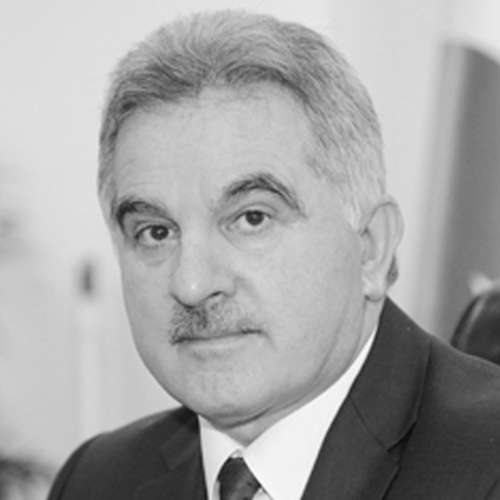
PROF. DR. MUZAFFER ELMAS
SAKARYA UNIVERSITY, RECTOR
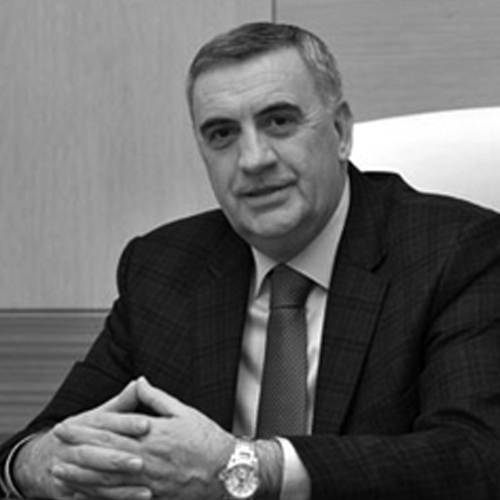
ZEKİ TOÇOĞLU
MAYOR OF SAKARYA METROPOLITAN MUNICIPALITY
SPEAKERS
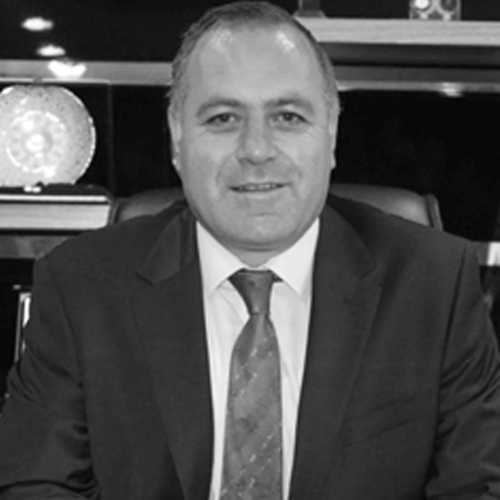
MUSTAFA AYHAN
EAST MARMARA DEVELOPMENT AGENCY, SECRETARY GENERAL
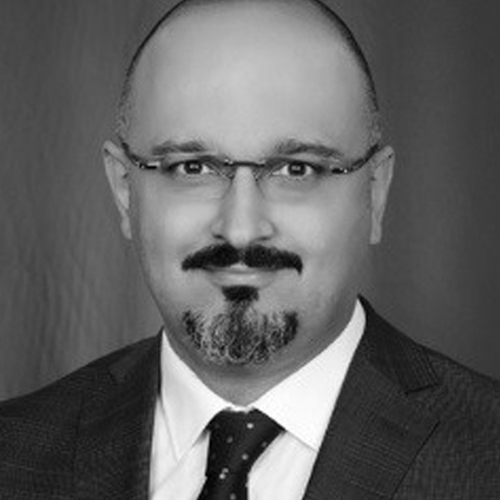
MERT UMUT ÖZKAYNAK
TEMSA GLOBAL, INNOVATION AND PRODUCTION MANAGER
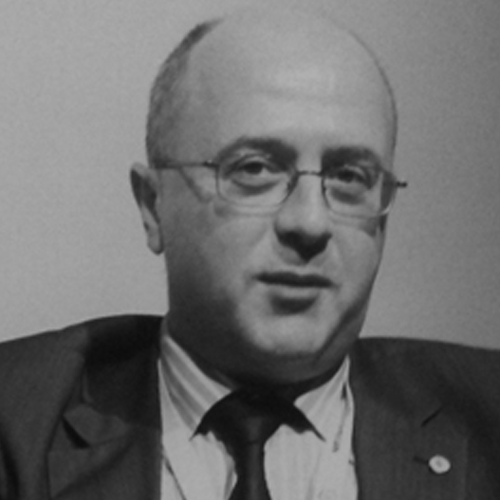
PROF. DR. LEVENT KURNAZ
ACADEMICIAN, BOĞAZİÇİ UNIVERSITY
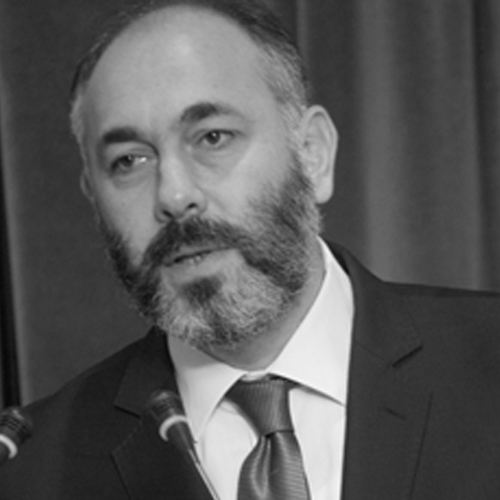
DR. KEMAL GANİ BAYRAKTAR
İZOCAM, TECHNICAL MARKETING MANAGER
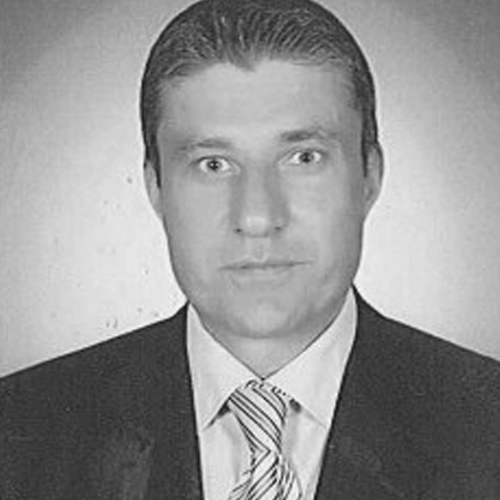
DR. GÖKTUĞ KARA
DELEGATION OF THE EUROPEAN UNION TO TURKEY, MANAGER OF TRANSPORT SECTOR
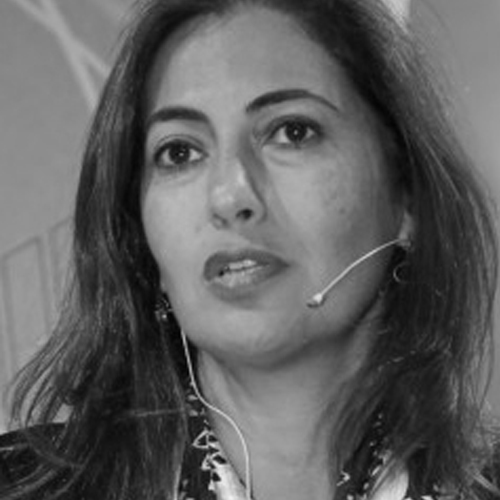
ESRA TURAN TOMBAK
MINISTRY OF ENVIRONMENT AND URBANISATION, GENERAL DIRECTORATE OF VOCATIONAL SERVICES, BRANCH MANAGER
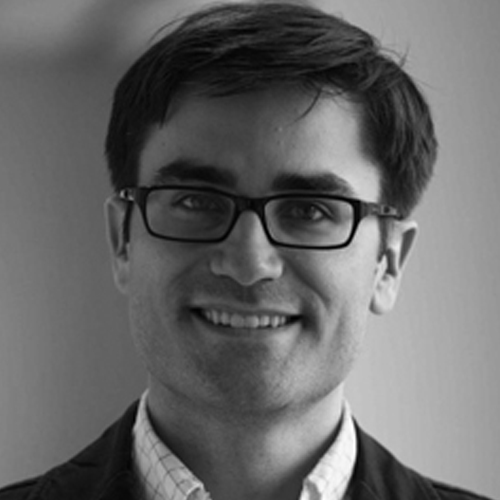
ERIC MACKRES
BUILDING EFFICIENCY DIRECTOR, WRI
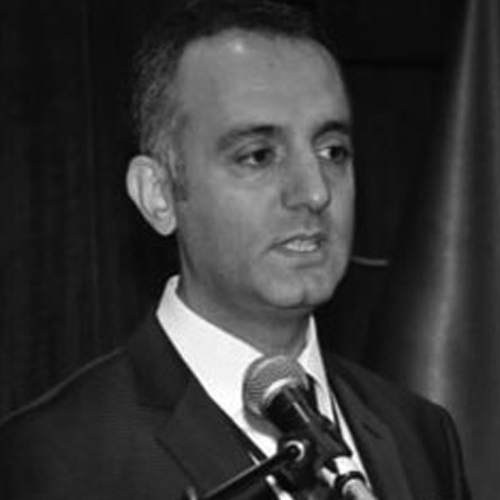
DİNÇER SEZGİN
MINISTRY OF ENVIRONMENT AND URBANIZATION DEPARTMENT OF URBAN DESIGN, HEAD OF BRANCH
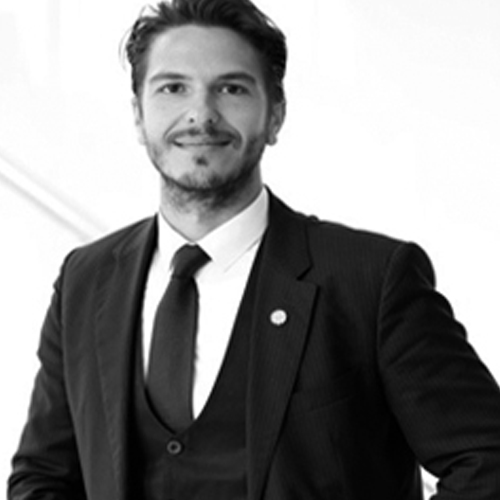
CELAL TOLGA İMAMOĞLU
ROAD SAFETY PROJECTS MANAGER, WRI TURKEY SUSTAINABLE CITIES
BÜŞRA BURAN BEKTAŞ
İETT, MANAGER OF SERVICE IMPROVEMENT
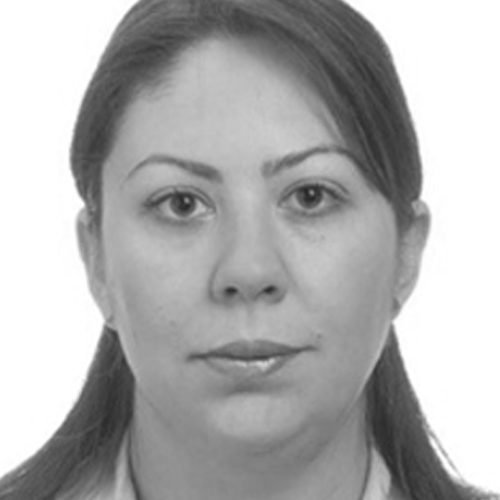
BURCU ÖZCAN
MINISTRY OF TRANSPORTATION, EU EXPERT
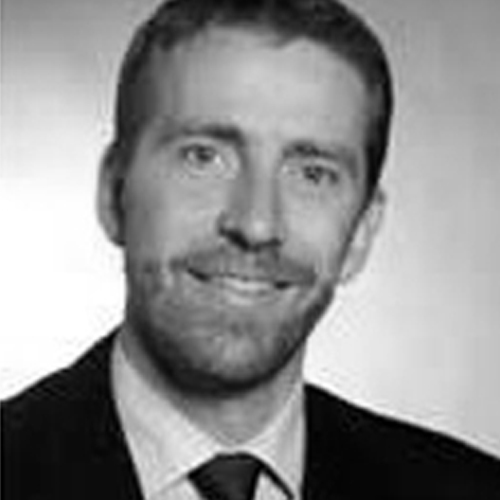
BJARNE SCHULTZ
DANFOSS A/S, SENIOR DIRECTOR OF PRODUCT PORTFOLIO MANAGEMENT
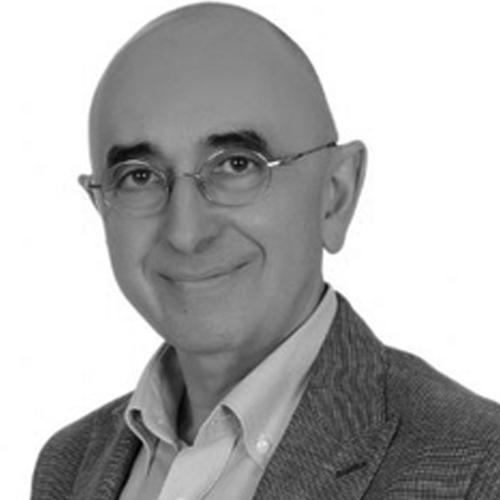
Ö. SELÇUK ÖZDİL
CHAIRMAN OF THE BOARD, ÇEDBİK
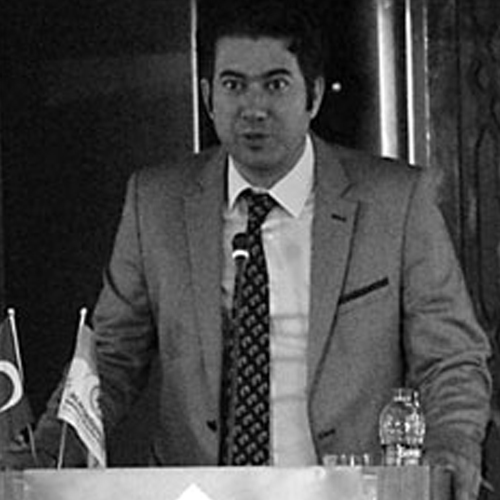
ÖMER ÖZTÜRK
MINISTRY OF ENVIRONMENT AND URBANIZATION, EXPERT ON ENVIRONMENT AND URBANIZATION
ÖVÜNÇ YILMAZ
KOCAELİ METROPOLITAN MUNICIPALITY, MANAGER OF PUBLIC TRANSPORTATION
SAM ADAMS
DIRECTOR, WRI US

SEDA GÜLEÇ
GREEN BUILDING EXPERT, GAZİANTEP METROPOLITAN MUNICIPALITY

SİBEL BÜLAY
EKO IQ, EDITOR
ÜMİT ŞAHİN
İSTANBUL POLICY CENTER, CLIMATE COORDINATOR

YASEMİN KESKİN ENGİNÖZ
CHIEF EDITOR, YAPI MAGAZINE
SPONSORS



ORGANISATION PARTNER

ORGANISATION SUPPORTERS


MEDIA SPONSORS










COMMUNICATION SPONSORS